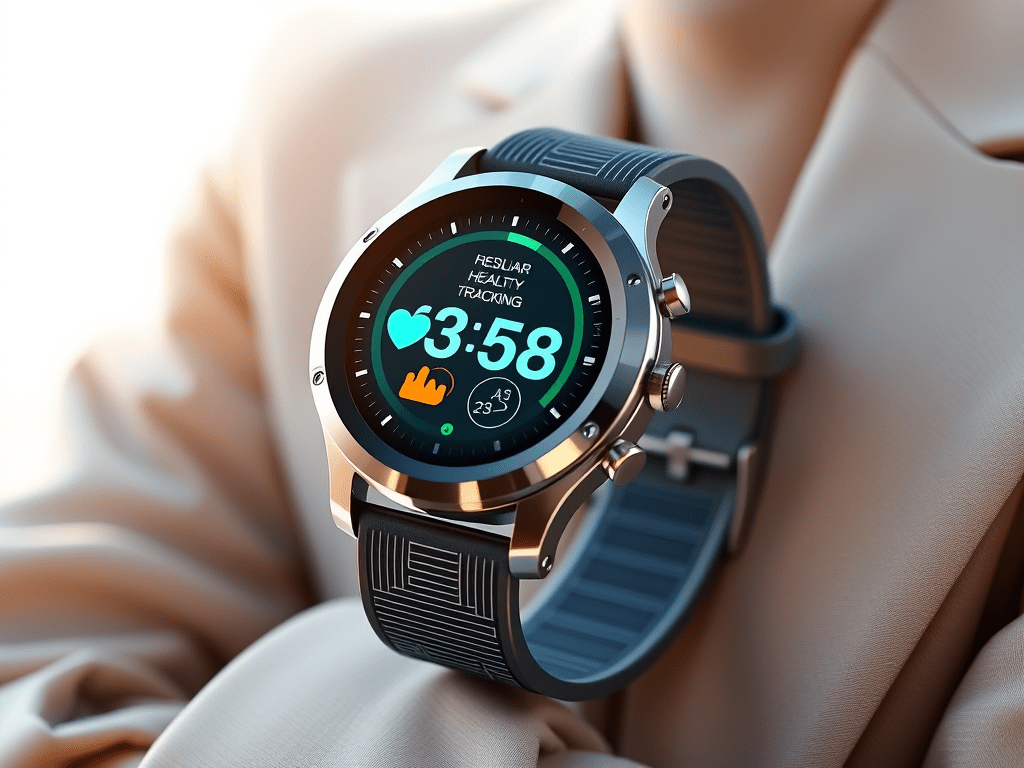
The rise of sustainable fashion has brought forth an exciting wave of innovation, and one of the latest trends that blend technology with eco-conscious design is solar-powered wearables. These futuristic devices aim to reduce our reliance on traditional charging methods while promoting a more sustainable lifestyle. But what exactly are solar-powered wearables, and how are they reshaping the intersection of fashion, technology, and sustainability?
The Intersection of Fashion and Technology
In recent years, wearable technology has exploded, with innovations such as smartwatches, fitness trackers, and augmented reality glasses becoming commonplace. However, many of these devices rely on conventional power sources—typically lithium-ion batteries that require regular charging. This creates a cycle of resource consumption and waste, contributing to environmental harm.
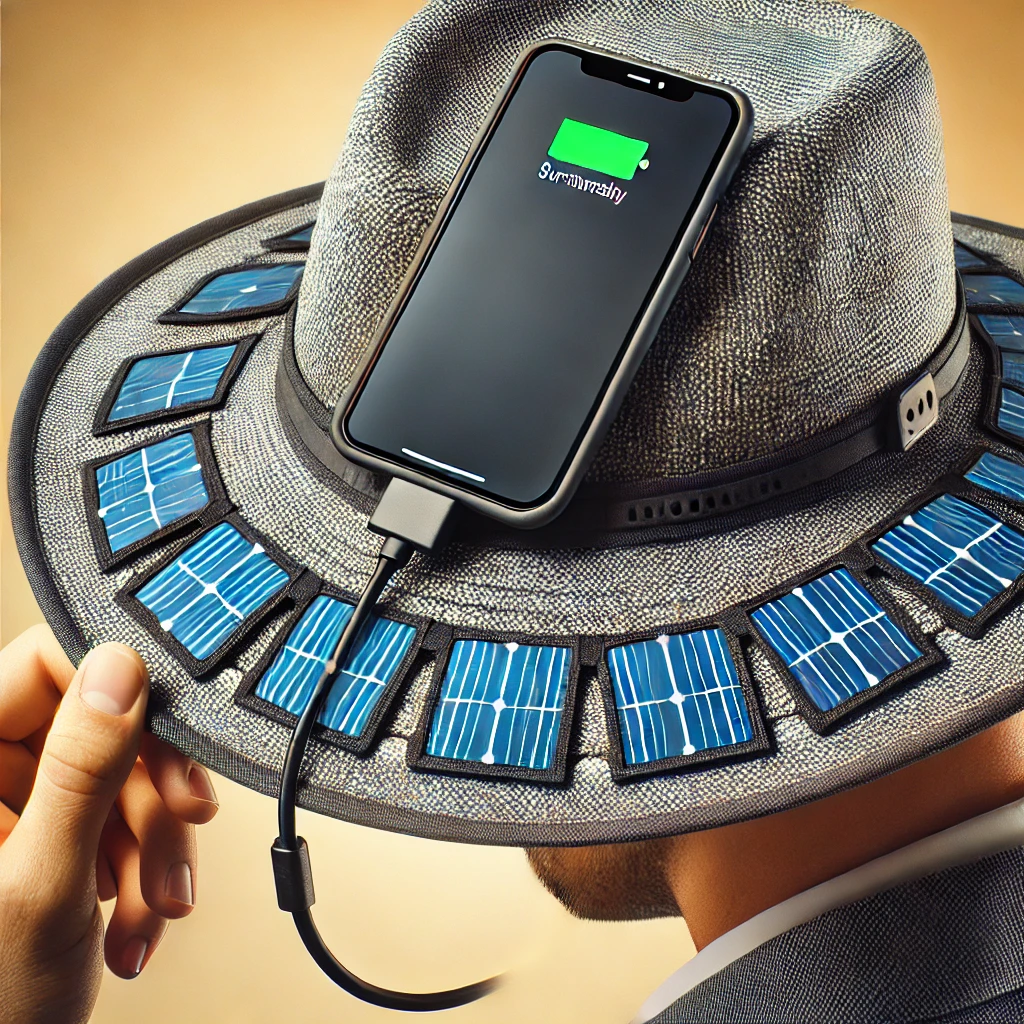
Solar-powered wearables present a solution to this issue, using solar panels embedded into clothing or accessories to capture sunlight and convert it into energy. This energy can then be used to power devices such as phones, smartwatches, or other wearables, all while reducing the need for constant charging. The integration of solar panels into fashion items also adds a unique, futuristic twist to the wearables market.

How Do Solar-Powered Wearables Work?
Solar-powered wearables use thin, flexible solar panels that are lightweight and durable. These solar panels are designed to absorb sunlight and convert it into electrical energy through photovoltaic cells. The energy produced can either power the wearable device itself or be stored in an internal battery for later use.
For example, solar-powered jackets, hats, and backpacks can be equipped with small, discreet solar panels that charge your gadgets as you go about your day. These panels are integrated seamlessly into the design of the item, making them both functional and stylish.
According to recent studies, solar panels used in wearables have made significant strides in efficiency, now being able to convert up to 22% of the sun’s energy into usable power—an impressive improvement from previous iterations. This efficiency makes solar-powered wearables not only practical but also increasingly capable of powering multiple devices simultaneously.
The Growing Market for Sustainable Tech Fashion
The global market for sustainable fashion is rapidly growing, with consumers becoming more aware of the environmental impacts of fast fashion. A 2024 report by the Global Fashion Agenda predicted that the sustainable fashion market will grow by 12% annually, fueled by the increasing demand for eco-friendly, functional products.
Solar-powered wearables are poised to be at the forefront of this trend. Brands such as SolarTech Wearables and Pvilion have already begun producing solar-powered jackets and backpacks that can charge devices like smartphones and cameras. The technology behind these wearables continues to evolve, with new designs incorporating more efficient solar panels and longer battery life.
While solar-powered clothing is still a niche market, it’s gaining traction among tech enthusiasts and eco-conscious consumers alike. As technology continues to advance, we can expect solar-powered wearables to become more mainstream, with a wider variety of products entering the market.
Why Solar-Powered Wearables Matter
Solar-powered wearables offer numerous benefits that extend beyond simply providing a sustainable charging option. Here are a few key advantages:
1. Eco-Friendly
By utilizing renewable energy, solar-powered wearables significantly reduce the need for traditional charging methods, which often rely on fossil fuels. This reduces the carbon footprint of your daily tech use, making it an attractive option for environmentally conscious consumers.
2. Convenience
With the ability to charge devices on the go, solar-powered wearables offer unmatched convenience. Whether you’re out on a hike, commuting to work, or traveling, these devices ensure you stay powered up without needing to find an outlet or carry extra charging cables.
3. Sustainability in Fashion
The fusion of technology and sustainability creates a new category of fashion. Solar-powered wearables not only look great but also provide a practical solution to common tech problems, all while supporting eco-friendly practices.
Examples of Solar-Powered Wearables
Some noteworthy solar-powered wearables currently on the market include:
- Solar Jackets by Pvilion: These jackets integrate flexible solar panels that charge your devices as you move, allowing you to power your phone or tablet while on the go.
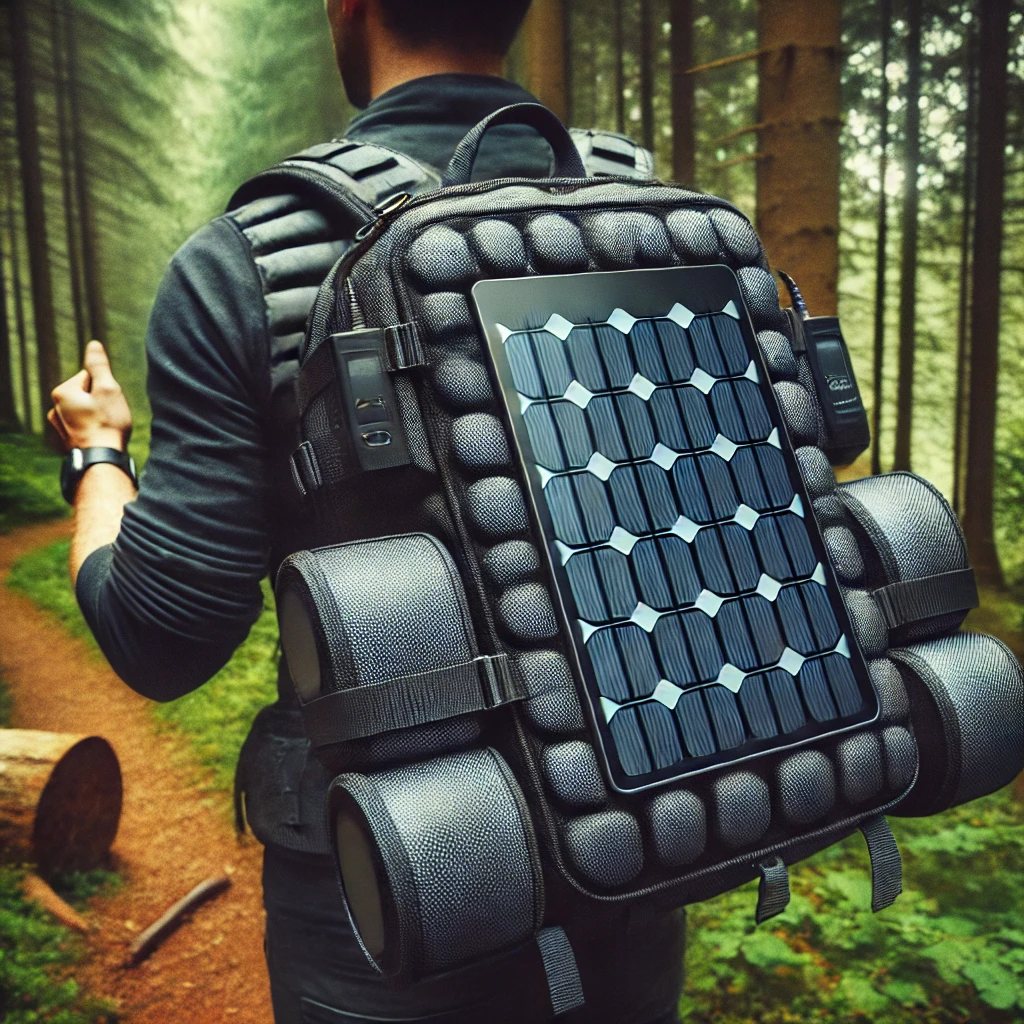
- Solarmade Backpacks: Designed with durable solar panels, these backpacks can charge devices like laptops, phones, and cameras, making them perfect for outdoor enthusiasts.
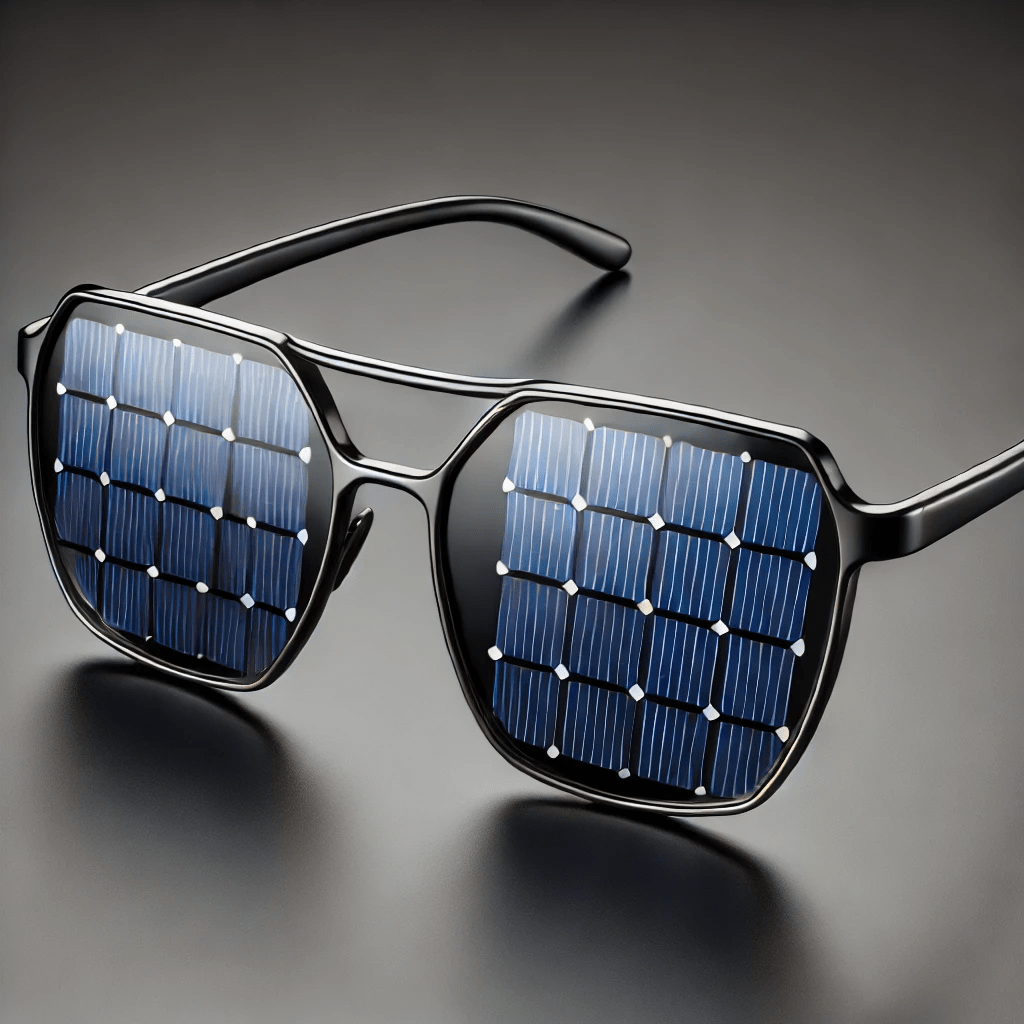
- **Sunglasses by Garmin: Garmin has developed sunglasses equipped with solar panels that harness the power of the sun to extend the battery life of their fitness-tracking technology.
The Future of Solar-Powered Wearables
The future of solar-powered wearables looks bright, both literally and figuratively. As advancements in solar technology continue to improve, we can expect more wearable devices that are lighter, more efficient, and capable of generating more power. With sustainability becoming an increasingly important factor in consumer decision-making, the market for solar-powered wearables is set to grow exponentially.
Conclusion: A Bright, Sustainable Future
Solar-powered wearables are a step forward in both wearable technology and sustainable fashion. As we continue to move toward a more eco-conscious future, products like solar-powered jackets, backpacks, and other accessories will become more commonplace, offering consumers an efficient and eco-friendly alternative to traditional charging methods.
If you’re interested in the intersection of fashion and technology, now is the perfect time to explore solar-powered wearables. Not only do they represent the future of tech, but they also provide a way for individuals to make a positive impact on the environment while staying connected.
By keeping an eye on this innovative trend, you can position yourself at the cutting edge of wearable tech—while doing your part to create a more sustainable world.
Keywords used: solar-powered wearables, solar tech fashion, wearable technology, sustainable wearable technology, eco-friendly wearable devices.
 SNiPER VIPE
Leave a comment